Fifth Harmony's Reunion: Nostalgia or Artistic Rebirth?
Explore Fifth Harmony's surprising reunion at the Jonas Brothers concert. Is it a mere nostalgic act or a chance for artistic evolution?


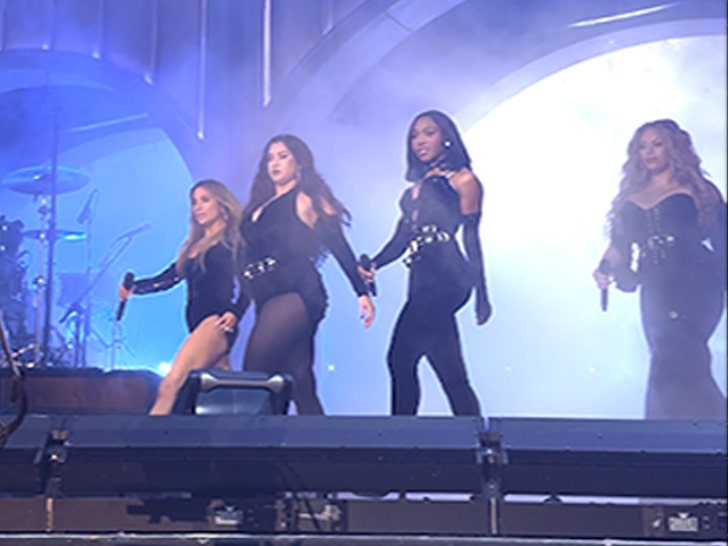
In the vivid tableau of pop music history, few moments stir anticipation quite like the reunion of a beloved group. Fifth Harmony’s unexpected resurgence at a Jonas Brothers concert in Dallas was one such moment, a nostalgic echo that simultaneously delighted fans and invited scrutiny. Yet, as we unpack this display of nostalgia, it's vital to question the depth of its resonance—does this reunion signify genuine artistry or is it a retread on well-worn paths?
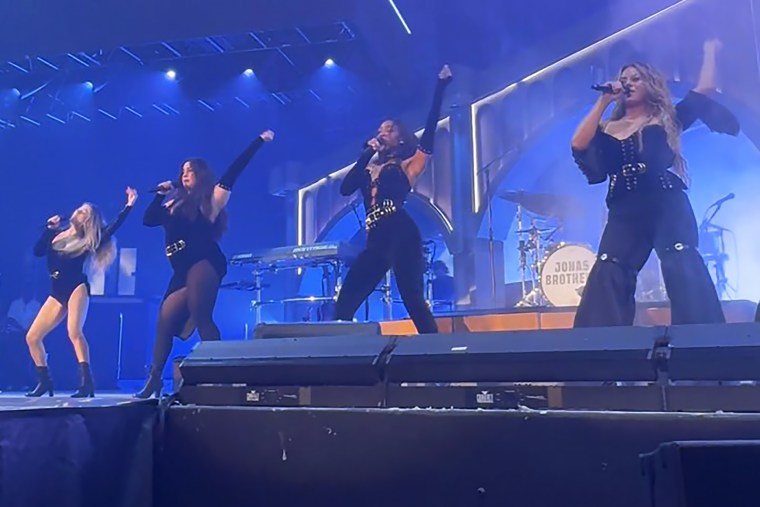
Fifth Harmony’s reappearance marks their first onstage unity since their 2018 hiatus, excluding Camila Cabello’s earlier departure. While their return was a symphony of their past hits, it also inadvertently highlighted the constructs of the modern pop machine—a machine often criticized for prioritizing spectacle over substance.
For their audience, this reunion was a melodious flashback, a dive back into the harmonies that shaped many adolescence soundtracks. The 665% surge in Spotify streams following their performance illustrates the fervor they rekindled. However, this spike also reflects a familiar narrative: the cyclical nature of pop culture’s love affair with its own history. It raises the question—are we celebrating musical innovation or simply indulging in comforting familiarity?
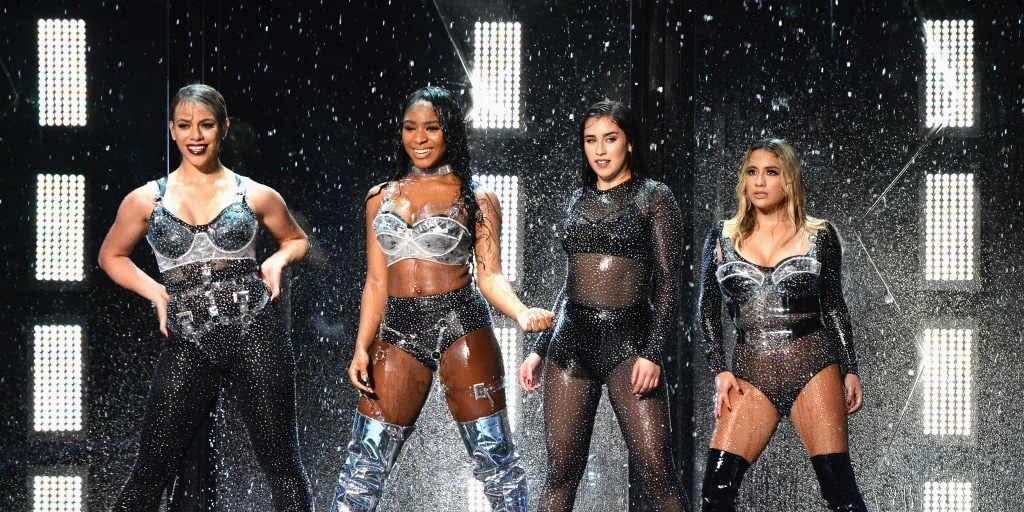
The missing element in this resurgence wasn’t just a former member, but the raw, unfettered ambition to challenge musically. The essence of transformative music often lies in its ability to disrupt, to evoke emotions raw and untamed. True artistry doesn’t merely echo past successes; it innovates, evolves, and dares to defy the norm. The challenge Fifth Harmony faces is not just to reunite vocally but to reignite their artistic vision.
In an era hungry for authenticity, fans yearn for more than echoes of past glory. They desire music that reverberates with sincerity, that challenges expectations and transcends conventional pop formulas. Fifth Harmony has the opportunity to not just harmonize the familiar but to strike a new chord—one that resonates with the daring spirit of creativity.
As they stand on this pivotal cusp, will Fifth Harmony transform their nostalgic resurgence into a revival of artistic daring? Will they step beyond the shadows of their previous hits and carve out a new, audacious path in the pop landscape? As fans and critics alike watch with anticipation, the decision lies not in their harmonies but in their resolve to innovate, to rise beyond nostalgia and echo forward into the annals of authentic artistry.


